

The 5 Best Music Books for Babies (0-12 Months) in 2026
Finding a book for a baby sounds easy… until you actually start looking.
Most music books for babies are either oversized plastic toys, full of loud nursery rhymes, or not really about music at all. And at this age, that matters. Babies don’t need complexity; they need something simple, repeatable, and easy to use on their own.
This list focuses on books that actually work for babies under one. They are easy to press, engaging, and worth hearing more than once!
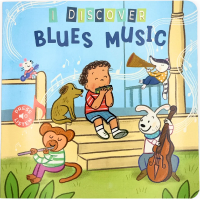
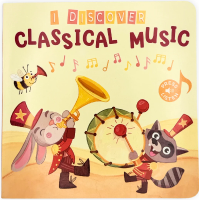
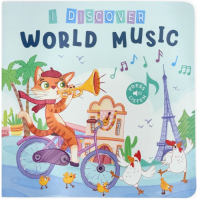
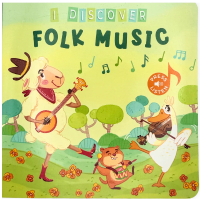
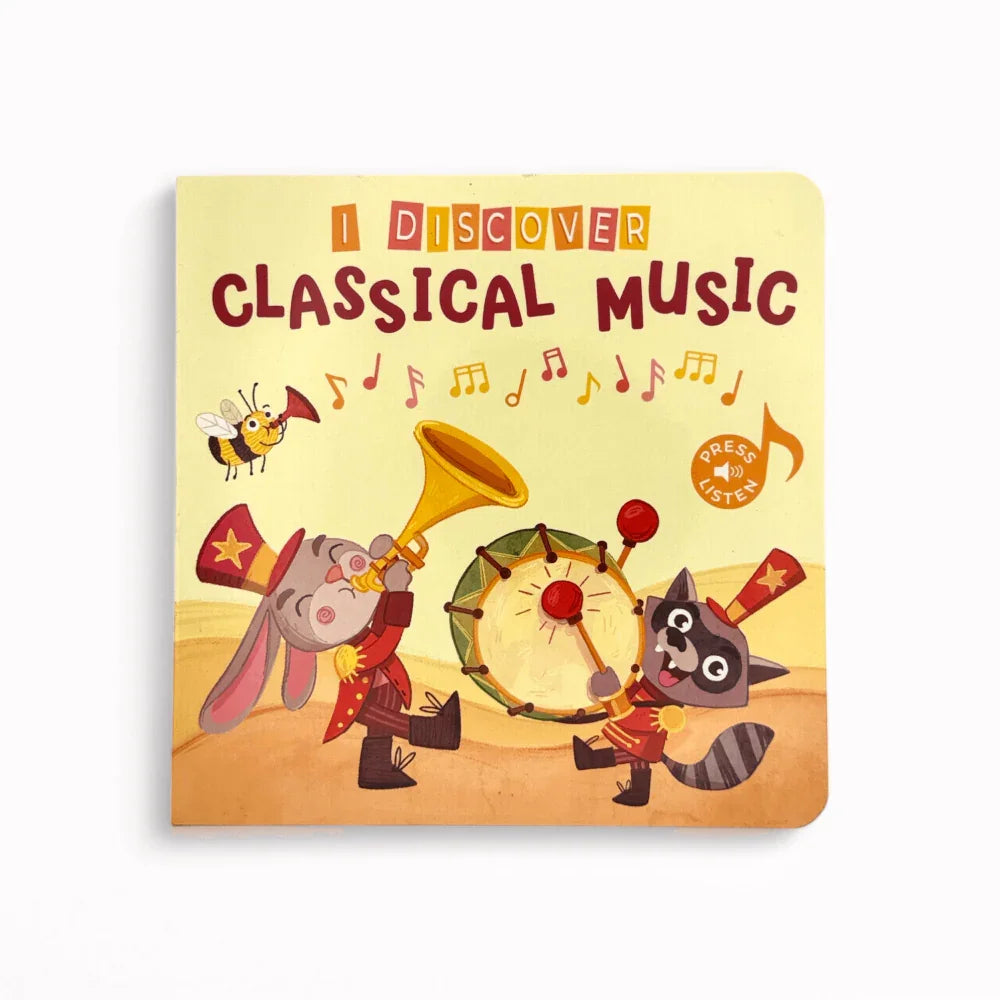
🎶 1. Pirouette Kids Music Books

Why we love them:
If you’re looking for something that feels like a real book and keeps a baby engaged, this is where I’d start.
Each page has its own button, so the interaction is simple and predictable: press, listen, turn the page, repeat. That matters more than you think at this age. Babies love doing the same thing over and over, and this setup makes it easy for them to do it independently.
The music itself is also different from most baby books. Instead of nursery rhymes or sound effects, Pirouette Kids books use short excerpts of real music (classical, folk, blues, world). It keeps babies interested, and just as importantly, it’s much more pleasant for parents to hear on repeat.
The format is compact, easy to hold, and designed for small hands (not something that takes over the whole play area!).
They also grow with the child. Early on, babies are simply watching and listening while you press the buttons. A few months later, they start trying to press them themselves. That shift from passive to active use makes a noticeable difference in how long the book stays relevant
👉 A strong option if you want something your baby will actually come back to on their own as they get older.
🔗 Explore the Pirouette Kids music books collection.

🎹 2. Cottage Door Press Sound Books

Why they are different:
You’ve probably seen these music books for babies everywhere — and there’s a reason.
They’re colorful, familiar, and often tied to well-known songs or characters like Cocomelon or Daniel Tiger. For many babies and toddlers, that instant recognition can be exciting.
The main difference is in how they’re built. Instead of buttons on each page, these books use a large plastic sound panel on the side, with multiple buttons grouped together. Babies can press any sound at any time, independent of the page. Because of that, they tend to feel more like a toy with sound buttons than a traditional book.
That’s not necessarily a bad thing (some kids love it!). But it does change how the book is used. It’s less about turning pages and following along, and more about pressing buttons and hearing familiar sounds.
👉 A good pick if your baby already loves recognizable songs or character-based content.
🔗 Explore Cottage Door Press books
3. Usborne Sound Books

Why they are special:
Usborne music books for babies are known for their illustrations, and these are no exception. They’re bright, detailed, and visually very engaging.
Most of their titles focus on sound exploration — things like animal noises, nature sounds, or short musical clips. The buttons are integrated into the pages, and babies can press them as they go.
Where they differ from more music-focused books is in the listening experience.
The sounds are usually short and tied closely to what’s on the page. It’s less about sitting and listening to a piece of music, and more about discovering and recognizing sounds.
👉 A great option for curious babies who like exploring different noises.
🔗 Explore Usborne sound books
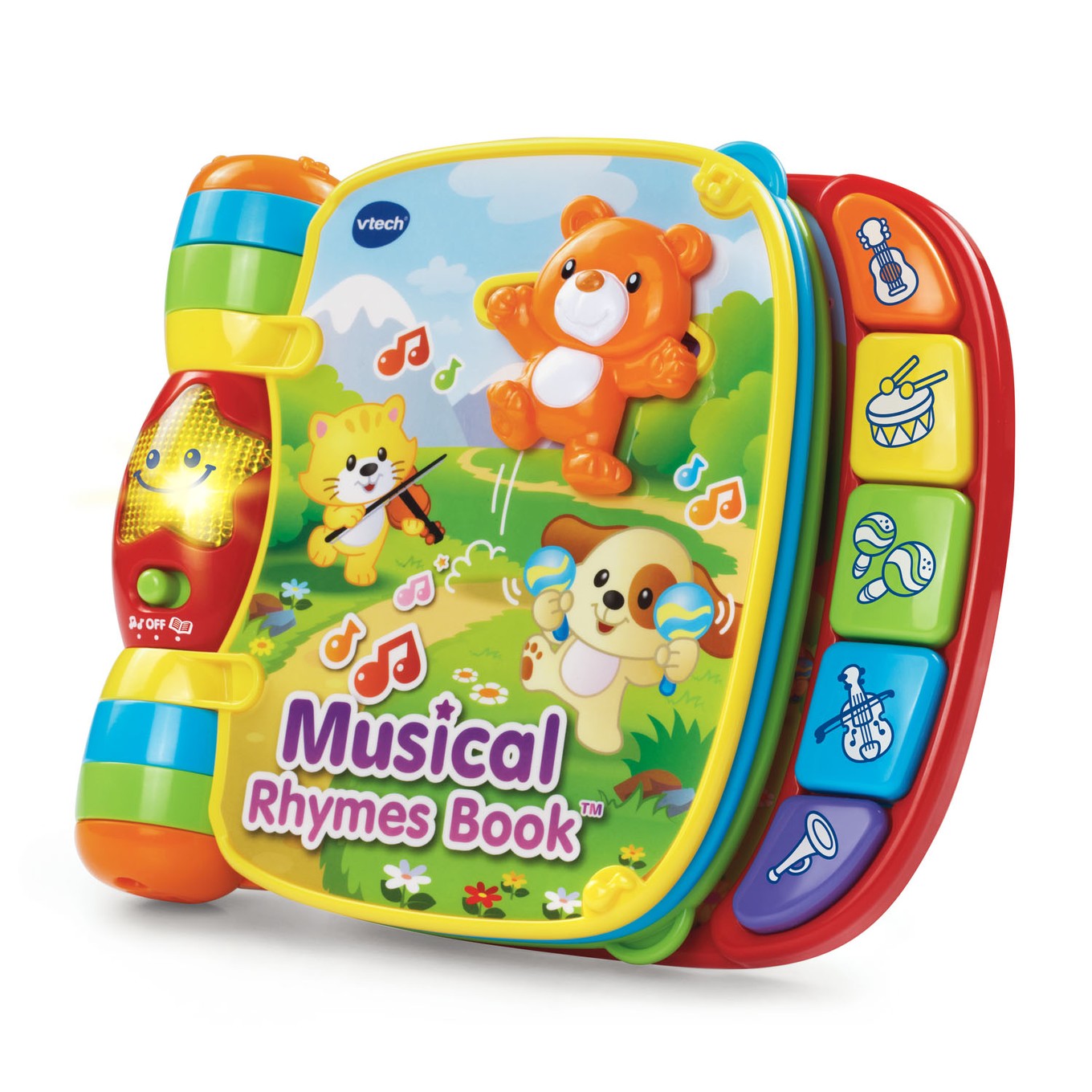
4. VTech Musical Rhymes Book
Why it’s a hit:
This one leans much more into the toy category. It includes lights, songs, and interactive buttons, and it’s designed to grab attention quickly. For some babies, that works well — especially if they’re already drawn to more stimulating toys.
The tradeoff is that it doesn’t really function like a book in the traditional sense. There’s less focus on turning pages or following a story, and more on pressing buttons and reacting to lights and sounds.
👉 Best for babies who enjoy high-energy, toy-like interaction.
5. Noisy Baby Animals: My First Sound Book

This is a good option if you’re looking for something that works earlier than most music books. What makes it different is that it combines touch-and-feel elements with sound. Babies can explore textures on the page while also pressing buttons to hear animal noises.
At this stage, that combination matters. Younger babies aren’t always ready to follow along with music yet, but they are interested in:
- touching different textures
- triggering simple sounds
- repeating the same action
It’s not a music book in the strict sense—it focuses on animal sounds—but it’s a useful starting point before transitioning into books built around music.
👉 Best for younger babies who are just starting to explore touch and cause-and-effect
What Actually Matters When Choosing a Music Book for a Baby
At this age, it’s less about the content and more about how the book works. A few things make a big difference:
- Simple interaction: One clear action (press → sound) is much easier for babies to understand and repeat.
- Easy-to-press buttons: If it’s too hard, they won’t use it.
- Short audio clips: Babies engage in short bursts. Long songs don’t hold attention.
- Size and weight: Smaller books are easier to hold and explore independently.
- Repeatability: The best books are the ones babies want to use again and again.
Which music book is best for babies?
There isn’t a single answer, but some options work better depending on what you’re looking for.
If you want something that will last beyond the early months and still feel relevant later on, Pirouette Kids books tend to hold up well. If you’re looking for something very simple to introduce early, Baby Einstein is an easy starting point.
VTech works if your priority is immediate engagement, while Cottage Door Press is a safe, familiar option. Usborne sits somewhere else entirely—more aesthetic, more parent-led, and often chosen as a gift.
How babies actually use music books
In the beginning, it’s very one-sided. You press the buttons, and your baby watches and listens.
That moment, when they realize they can make the music happen, is what keeps them coming back.
Then something shifts. They start reaching toward the buttons, sometimes missing, sometimes hitting them by accident. Eventually, they figure it out—and that’s when the repetition really begins.
Final thoughts
The best music books for babies aren’t the ones with the most features. They’re the ones that are easy to use, easy to repeat, and simple enough that babies can grow into them over time. Those are the books that don’t get put away after a week—and the ones that end up being part of everyday life.
Looking for the next stage?
👉 Top music books for toddlers
Looking for gift ideas?