

Real Music vs. Baby Music: What’s the Difference (and Why It Matters)
If you’ve ever searched “best music for babies,” you’ve probably found endless playlists of synthetic lullabies or tinny nursery rhymes on repeat. Some are soothing, sure—but after a few listens, even the most patient parent is ready for silence.
The truth is, not all “baby music” is created equal. While many songs marketed for infants are simple and repetitive, real music (the kind played by actual musicians with rich instruments and melodies) offers something much more powerful.
Here’s why the difference matters, and why exposing your baby to real music from the start can make such a lasting impact.
🎵 What Do We Mean by “Baby Music”?
When most people say baby music, they mean songs designed specifically for infants—often computer-generated tunes or heavily simplified nursery rhymes. They’re easy to produce and easy to recognize, but not always engaging or musically rich.
These songs usually:
- Use a limited range of notes (same short melody on repeat)
- Feature synthetic sounds or electronic instruments
- Focus on repetition over musical depth
That’s not necessarily bad—babies do love repetition—but too much of it can become background noise. Over time, babies (and parents!) tune out.
🎻 What Makes “Real Music” Different?
Real music comes from real instruments, real musicians, and the full emotional range of human sound. Think of a violin, a guitar, a harmonica, or a drum that resonates naturally. Even babies can sense the difference.
Real music often includes:
- Rich tones and textures that stimulate auditory development
- Varied rhythms and melodies that hold attention longer
- Emotional expression—happy, calm, energetic, soulful—that teaches babies to feel through sound
These variations actually help babies’ brains grow. Studies show that listening to complex, natural music strengthens neural pathways involved in language, memory, and emotional regulation. In simple terms: babies’ brains light up when they hear real music.
👂 Babies Know the Difference (Even Before You Think They Can)
You don’t need to be a neuroscientist to see it. Play a real song with rhythm and melody, and watch your baby’s reaction—eyes widen, body wiggles, maybe even a tiny dance move.
That’s because babies are wired to respond to music with structure and soul. The changes in pitch, tempo, and tone keep their brains curious. Over time, this curiosity turns into early rhythm recognition, stronger listening skills, and even early language development.
💞 Why It Matters for Parents, Too
Let’s be honest: you’re the one pressing play all day. If the music drives you a little crazy, you’re less likely to enjoy those shared moments.
When you play real music—something you genuinely like—you naturally sing along, sway, and smile. Babies pick up on that energy. The music becomes a shared experience instead of just background noise.
That’s what makes real music such a powerful parenting tool—it’s connection, not just entertainment.
📚 Bringing Real Music Into Everyday Play
You don’t need to overhaul your playlist or enroll in a music class to give your baby the benefits of real music. Start simple:
- Swap one “baby music” playlist for real songs—folk tunes, classical pieces, jazz, or world music.
- Sing along, even if you’re off-key. Your voice is your baby’s favorite sound.
- Add movement: gentle swaying, clapping, or dancing together.
The more senses you engage, the deeper the learning (and the more fun you both have).
🎶 How Pirouette Kids Makes Real Music Accessible
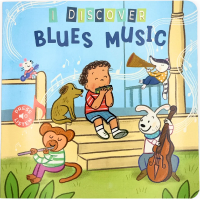
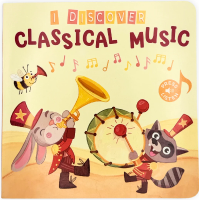
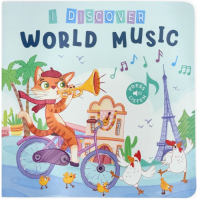
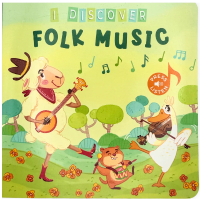
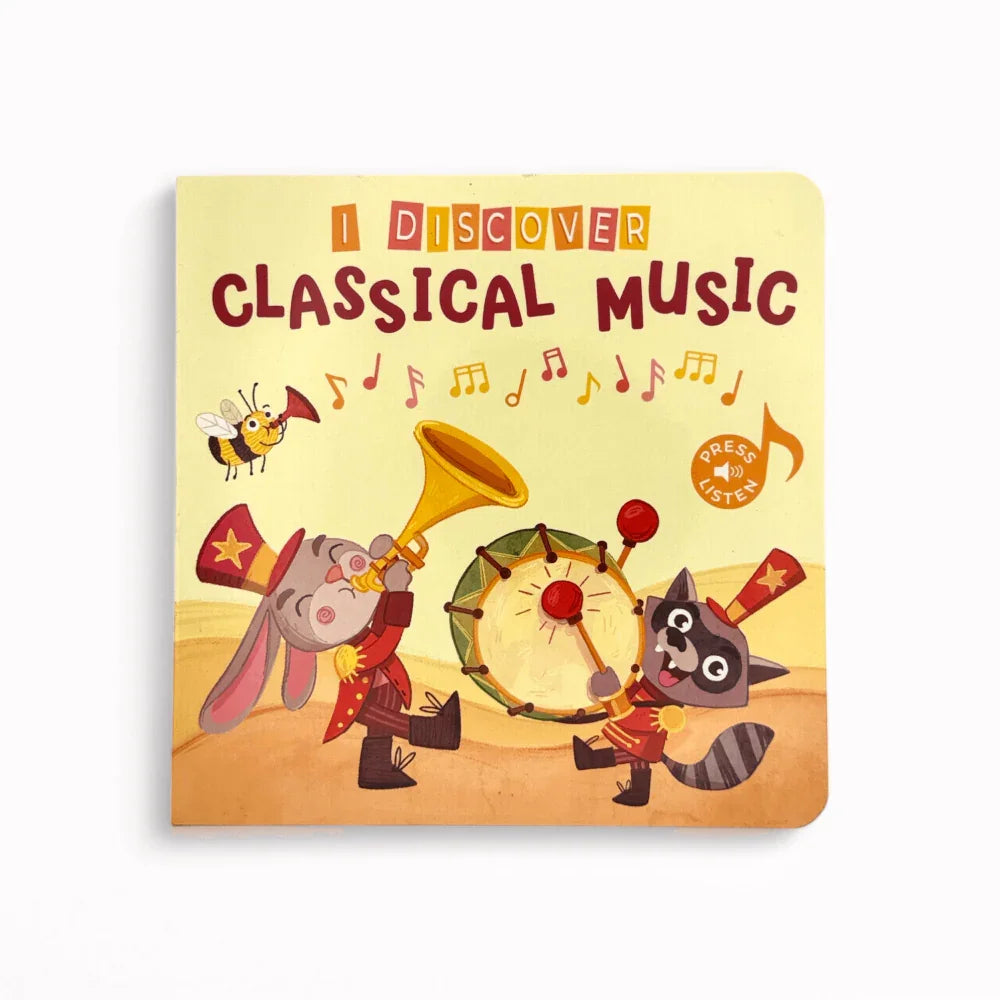
That’s exactly why we created Pirouette Kids. Our interactive music books play short clips of real songs from real genres—classical, folk, world, and blues—so little ones can explore the richness of real music from day one.
Each sturdy board book includes:
- Six authentic melodies from world-renowned composers and musicians
- Adorable, colorful illustrations
- Easy-to-press sound buttons perfect for tiny hands
They’re fun for babies, tolerable (and even delightful) for parents, and designed to nurture focus, rhythm, and curiosity—all without a screen in sight.
💡 Because real music doesn’t just entertain babies. It helps them learn, feel, and connect with you.
✨ Wrapping It Up
“Baby music” might fill the silence, but real music fills the moment. When your baby hears authentic sounds and melodies, they’re not just listening—they’re learning.
From the softness of a lullaby to the rhythm of a folk tune, real music helps babies understand emotion, build memory, and develop a love of sound that lasts a lifetime.
If you’re ready to trade the electronic jingles for something truly enriching, discover the I Discover Music series by Pirouette Kids—made for babies, toddlers, and their grown-ups.