7 Ways Singing Helps Babies Learn to Speak And Boost Vocabulary
Did you know that your voice is one of your baby’s favorite sounds? Even if you don’t consider yourself a great singer, your baby thinks you’re a superstar! Singing to your baby isn’t just a fun way to bond. It actually plays a huge role in helping little ones learn to speak. From improving listening skills to boosting vocabulary, music is a powerful tool for language development. Let’s explore 7 ways singing to your baby can turn your baby into a chatterbox!
1. Strengthens Listening Skills
Babies start tuning into sounds before they are even born. In the womb, they hear the rhythm of their mother’s voice and recognize familiar patterns. Once they’re born, music and singing continue to reinforce these early language connections.
When babies listen to songs, they learn to differentiate between sounds, which is crucial for speech development. Songs with clear, repetitive lyrics help them train their ears to recognize words and syllables.
2. Builds a Stronger Vocabulary
Ever notice how children’s songs use simple, repetitive lyrics? That’s because repetition is key to language learning! Songs like “Twinkle, Twinkle, Little Star” and “Wheels on the Bus” introduce new vocabulary in an engaging way.
Research suggests that babies who are regularly exposed to songs develop a larger vocabulary faster.
3. Improves Pronunciation and Speech Clarity
Before babies can say words, they experiment with sounds. Singing to your baby helps them:
- Mimic syllables and intonation (like “ba-ba” and “da-da”).
- Practice mouth movements needed for speech.
- Improve rhythm and pacing, which helps with forming sentences later on.
Songs with rhyming words and playful sounds (“pop,” “whoosh,” “zoom”) also encourage babies to try new sounds.
4. Enhances Memory and Learning
Music has a powerful impact on memory. That's why babies can recall song lyrics before they can form full sentences. Singing catchy, repetitive tunes helps little ones remember:
- New words.
- Sentence structures.
- Concepts like colors, numbers, and animals.
Studies show that music enhances cognitive development and supports skills needed for reading and problem-solving later on.
5. Encourages Imitation and Interaction
Babies love to imitate their parents, and singing naturally invites participation. They may start by cooing along, then progress to babbling in response to familiar songs. This imitation is a crucial step in speech development!
Encouraging back-and-forth singing (even if it’s just humming) helps develop conversational turn-taking skills, which is essential for communication.
6. Helps Babies Recognize Word Meanings
Songs often include gestures, facial expressions, and movements, which help babies understand words in context. For example:
- Singing to your baby “If You’re Happy and You Know It” teaches emotion words like “happy” and actions like “clap your hands.”
- Songs about animals and their sounds reinforce word-object associations.
Pairing songs with books, illustrations, or real-life objects makes learning even more effective.
7. Reduces Frustration and Encourages Expression
Babies can get frustrated when they struggle to communicate their needs. Singing provides them with a fun, low-pressure way to experiment with sounds and words.
Music also helps soothe emotions. Singing a calming song can help a fussy baby relax, while an energetic tune can encourage excitement and play.
How to Use Singing in Everyday Life
The best part? You don’t need special training to use singing as a speech-boosting tool. Here’s how you can easily incorporate music into your baby’s day:
- Sing during daily routines – Bath time, diaper changes, and bedtime are perfect moments for a little melody.
- Use songs to introduce new words – Singing about animals, colors, or body parts makes learning feel like playtime.
- Encourage participation – Let your baby “fill in the blanks” in familiar songs (pause and let them babble or hum along!).
- Make up your own songs – Simple tunes about daily activities (like “Time to put on your shoes!”) can reinforce language in a natural way.
Conclusion
Singing isn’t just a way to entertain your baby—it’s an essential tool for speech and language development. You’re helping your child build vocabulary, improve pronunciation, enhance memory, etc. So go ahead, sing your heart out—your little one is listening and learning!
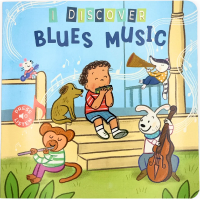
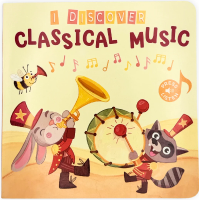
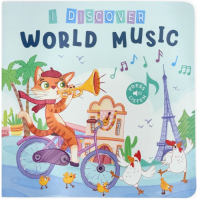
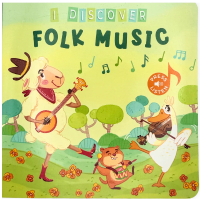
Want to add more music to your baby’s day? Check out Pirouette Kids’ interactive music books for a fun, educational way to boost language development!