The Ultimate Guide to Interactive Books for Babies & Toddlers
Interactive books turn reading into something little ones can do, not just listen to. From lifting flaps to pressing sound buttons, they invite children to explore, play, and come back for "just one more book."
What are interactive books?
Interactive books encourage children to actively participate while reading instead of simply listening to a story. They combine books with hands-on elements that help keep babies and toddlers engaged through touch, movement, sound, and exploration.
Unlike traditional books, interactive books invite children to press, lift, slide, feel, point, or searchβturning reading into a shared experience that supports curiosity and makes story time even more enjoyable.
Different Types of Interactive Books
Interactive books come in many forms, and each offers a different way for children to explore, play, and engage with stories. Here's a quick guide to the most popular types and what makes each one unique.
| Type of Book | How Children Interact | Best For | What You'll Find |
|---|---|---|---|
| Lift-the-Flap Books | Lift hidden flaps to reveal surprises. | Curiosity, exploration, and early problem-solving. | Hidden pictures, peekaboo surprises, first words, and simple discoveries. |
| Touch-and-Feel Books | Explore different textures with their fingers. | Sensory development and vocabulary building. | Soft fabrics, fuzzy animals, smooth and rough textures. |
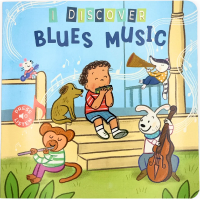
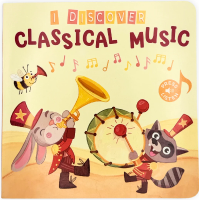
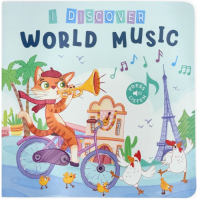
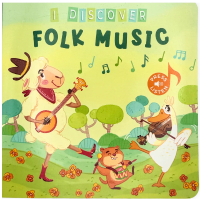
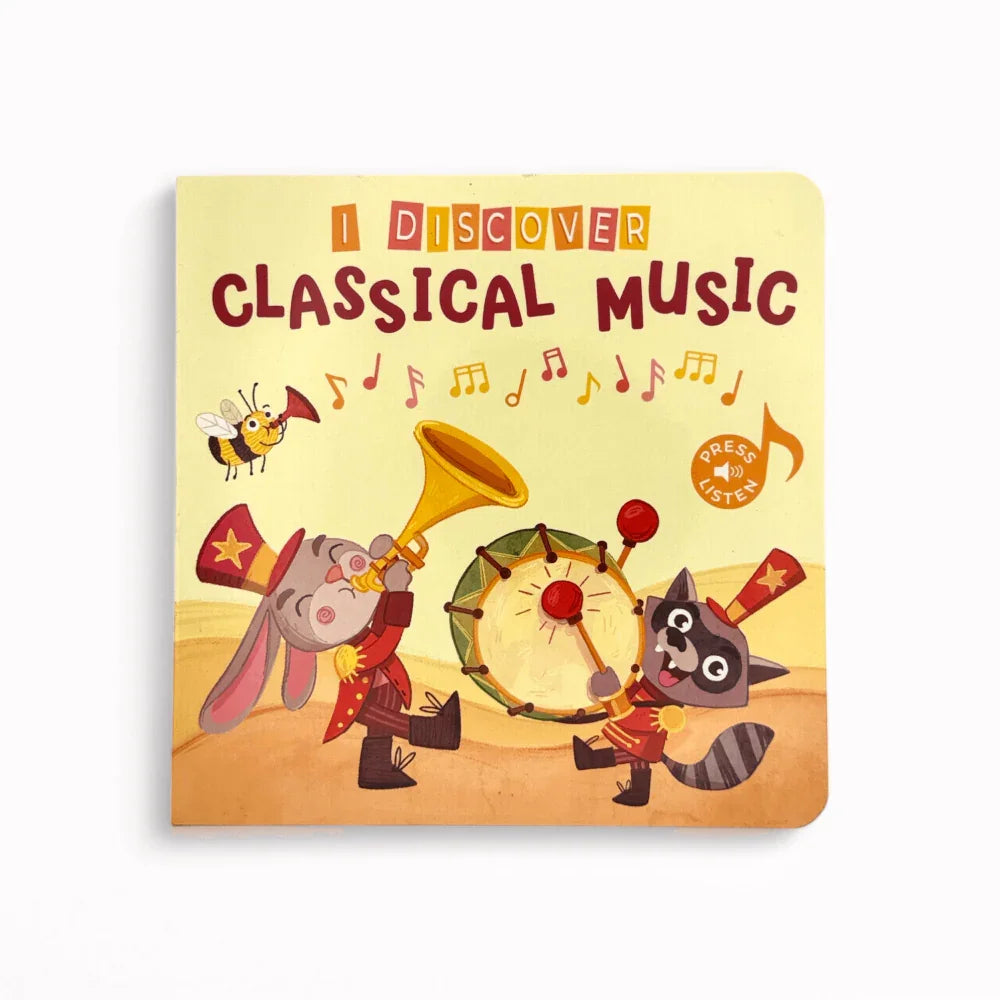
| Sound Books | Press buttons to hear music, sounds, or spoken words. | Music appreciation, language exposure, and engagement. | Songs, musical instruments, animal sounds, nature sounds, and spoken words. |
| Pop-Up Books | Open pages to reveal three-dimensional scenes. | Imagination and storytelling. | Characters and scenes that pop off the page. |
| Slider & Pull-Tab Books | Move tabs, wheels, and sliders to interact with each page. | Fine motor skills and cause-and-effect learning. | Moving vehicles, animated characters, and interactive surprises. |
| Finger Trail Books | Trace raised paths and shapes with their fingers. | Hand-eye coordination and early pre-writing skills. | Raised lines, finger mazes, tracing paths, and simple patterns. |
Did you know? Sound books are just one type of interactive book. They combine reading with music, sounds, or spoken words to create a multi-sensory reading experience that many babies and toddlers love.
Why Parents Love Interactive Books
Encourages participation
Interactive elements invite children to become part of the story instead of simply listening.
Supports fine motor skills
Turning pages, pressing buttons, lifting flaps, and sliding tabs help little hands practice coordination.
Makes reading more engaging
Many toddlers stay interested longer when they can actively participate.
Creates shared moments
Interactive books naturally encourage conversations, pointing, singing, and laughing together.
Builds early vocabulary
Talking about pictures, sounds, and actions exposes children to new words in a meaningful context.
Encourages independent exploration
As children grow, many interactive books become something they can enjoy on their own.
How to Choose an Interactive Book
For babies (0β12 months)
Choose sturdy board books with simple illustrations, large pictures, and easy-to-explore features.
For young toddlers (1β2 years)
Look for books with buttons, flaps, textures, or simple interactive elements they can operate independently.
For older toddlers (2β4 years)
Stories become longer and activities more complex, with opportunities to count, search, identify objects, or enjoy music together.
Why Families Love Sound Books
Sound books combine stories with music, sounds, or spoken words, making reading a multi-sensory experience that keeps little ones engaged.
Frequently Asked Questions
Interactive books can be enjoyed from birth, but the best type depends on your child's age. Babies often enjoy high-contrast images and simple textures, while toddlers are ready for flaps, sound buttons, and other interactive features that encourage exploration.
Yes. Interactive books help make reading engaging by encouraging babies to touch, look, listen, and explore. Reading together also supports early language development and creates meaningful bonding moments between children and caregivers.
Interactive books come in many forms, including lift-the-flap books, touch-and-feel books, sound books, pop-up books, slider books, and finger trail books. Each offers a different way for children to actively participate during story time.
A sound book is an interactive book that includes built-in audio, allowing children to press buttons to hear music, sounds, or spoken words that relate to the story or illustrations.
High-quality sound books are designed with young children in mind. Look for sturdy board pages, a securely fastened battery compartment, rounded corners, and products that comply with applicable children's product safety standards.
Sound books can support early learning by encouraging listening, language development, attention, and cause-and-effect understanding. Music-based sound books may also introduce children to different musical styles, instruments, and rhythms.
Consider your child's age, interests, and developmental stage. Younger babies often enjoy simple sensory books, while older toddlers may prefer books with music, flaps, or interactive activities that encourage independent exploration.
A board book refers to the book's durable construction using thick cardboard pages. An interactive book includes features such as flaps, textures, sound buttons, sliders, or pop-ups. Many interactive books are also board books because they're designed for young children.
Music books can be a wonderful way to introduce toddlers to rhythm, melody, and different musical styles while encouraging a love of reading. They combine listening with storytelling, creating an engaging, multi-sensory experience that many young children enjoy.