

Music Activities for 3-Year-Olds That Build Creativity and Confidence
Three-year-olds are more expressive, imaginative, and ready to engage more actively with music. At this age, music becomes more than just listening. It’s something they can participate in, play with, and even perform.
The good news is that you don’t need anything complicated. Simple activities can go a long way in helping your child explore rhythm, movement, and creativity.
Here are some easy music activities for 3-year-olds to bring more music into your day! They will keep them engaged while supporting early learning!
Dance and Freeze
Play a song and invite your child to dance. Then pause the music and freeze.
This simple game is always a hit.
It helps children:
- listen closely
- react to changes in sound
- control their movements
You can make it even more fun by:
- freezing in silly positions
- taking turns being “in charge” of the music
- adding actions like jumping or spinning

Sing and Fill in the Words
Three-year-olds often start recognizing songs and remembering lyrics. Sing a familiar song and pause before the last word of a line. Many children love jumping in to complete it.
This activity helps:
- build memory
- support language development
- encourage participation
It also turns passive listening into something much more interactive.
Act Out Songs
At this age, music and imagination go hand in hand. Turn songs into little stories. You can:
- pretend to be animals
- march like a band
- act out simple scenes
For example, if a song mentions animals, your child can move like each one. This keeps them engaged and helps connect music with storytelling.
Copy the Rhythm
Clap a simple rhythm and ask your child to copy you. Start with something easy, like:
- clap… clap… pause
- clap… pause… clap
Then gradually make it more interesting. This activity helps build:
- listening skills
- focus
- sense of rhythm
It also gives your child a fun challenge without feeling like “learning.”
Make and Play Instruments
Three-year-olds love creating things. You can make simple instruments using:
- containers with rice or beans
- pots and wooden spoons
- small drums or tambourines
Then play music and invite your child to “play along.” At this age, children start being more intentional with how they move and create sounds. This makes this activity even more engaging.
Music and Storytime
Music and books work very well together.
You can:
- read a story and then play music that matches the mood
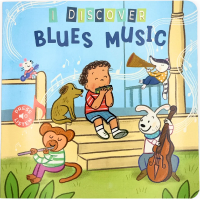
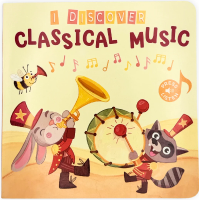
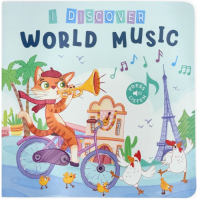
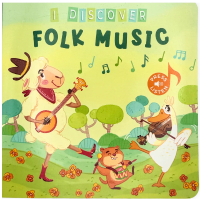
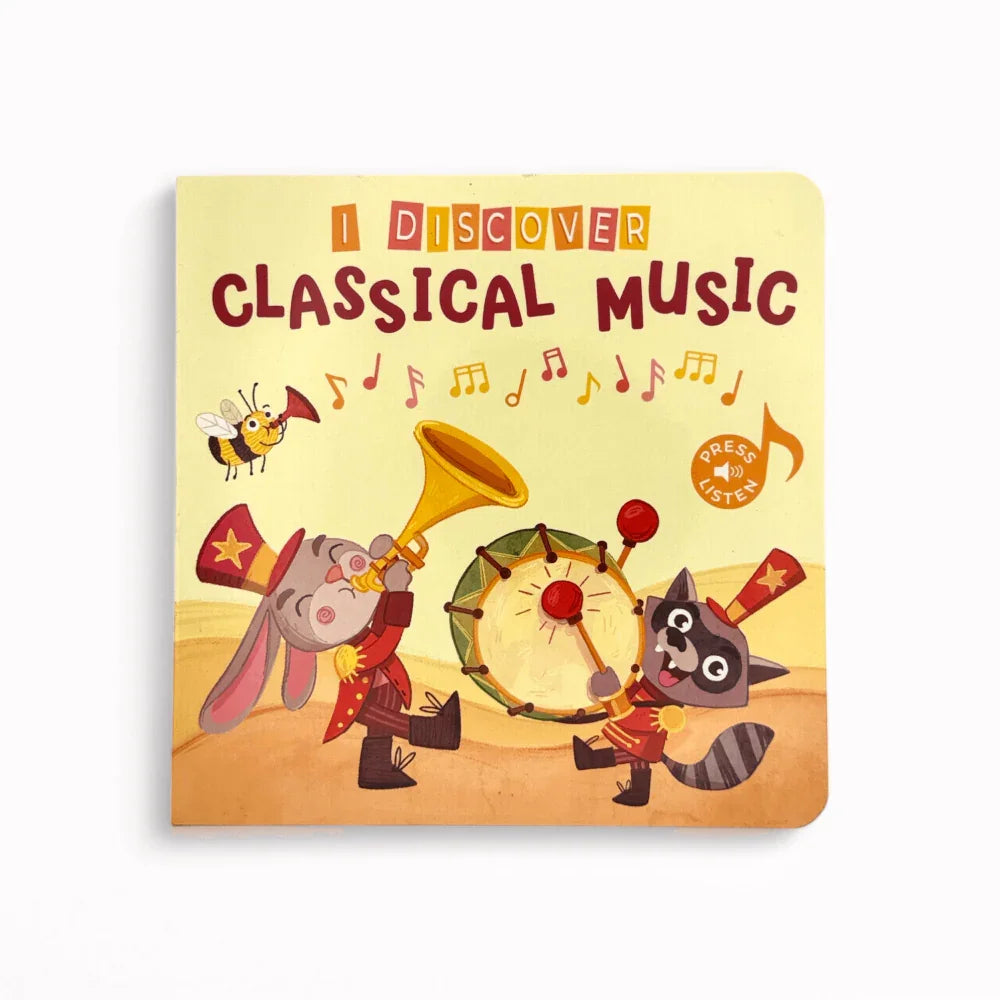
- use a music book during storytime
- let your child press the buttons while you read
This helps connect:
- sound
- images
- storytelling
And it often keeps children engaged longer than reading alone.

Put on a Mini Performance
Three-year-olds love to perform.
Let your child:
- sing a song
- dance
- “play” an instrument
You can be the audience—or even join in.
These moments help build confidence and make music feel exciting and personal.

Follow Their Interests
At this age, children start developing preferences.
Some love dancing. Others prefer singing or listening.
Pay attention to what your child enjoys most and build around that. The goal isn’t to guide every moment—it’s to create opportunities for them to explore.
Short, playful activities tend to work much better than anything structured or long.
Why Music Activities Matter for Three-Year-Olds
Around age three, children are developing language, coordination, and creativity quickly. Music naturally supports all of these areas.
Through singing, movement, and play, children learn to:
- recognize patterns
- express themselves
- build confidence
And because it feels like play, they stay engaged without effort.
Bringing Music Into Everyday Life
You don’t need special equipment or long activities to make music part of your routine.
Play a song in the morning. Dance in the living room. Sing while getting ready for bed.
These small moments are often the ones children remember—and they help build a lasting connection to music.