

How to Use Music Books During Tummy Time, Playtime, and Bedtime
Music books can become part of your daily routine in ways most parents don’t expect. They’re not just entertaining. They can also support movement, language development, sensory play, and calming routines throughout the day.
For babies and toddlers, interactive music books combine sound, visuals, touch, and repetition. That combination helps keep little ones engaged much longer than many traditional toys or books.
Whether you’re trying to survive tummy time with a newborn or create a calmer bedtime routine, here are simple ways to use music books.
Why Music Matters for Babies and Toddlers
Research shows that music supports early childhood development in several important ways, including:
- Language development
- Memory and pattern recognition
- Motor coordination
- Emotional regulation
- Listening skills
According to the American Academy of Pediatrics, music can positively support bonding, learning, and emotional development in young children. Interactive music books are especially helpful because they encourage active participation instead of passive listening.
🐣 Using Music Books During Tummy Time
Why Tummy time is important:
Tummy time is essential for developing neck, shoulder, and core strength. These muscles are important for milestones like rolling, sitting, and crawling. According to Pathways.org, daily tummy time can start from birth and helps prevent flat spots on the head while building key motor skills.
Many babies dislike tummy time at first because it’s hard work. Music can help keep them engaged longer.
How to use a music book for tummy time
- Place a sound book upright in front of your baby during tummy time.
- Press a button to play a short song and catch your baby’s attention.
- Gently sway or tap to the rhythm to help them visually track movement and sound.
- Sing along or hum to provide comfort and encourage early language development.
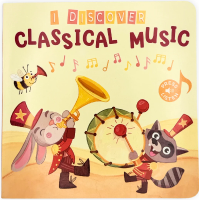
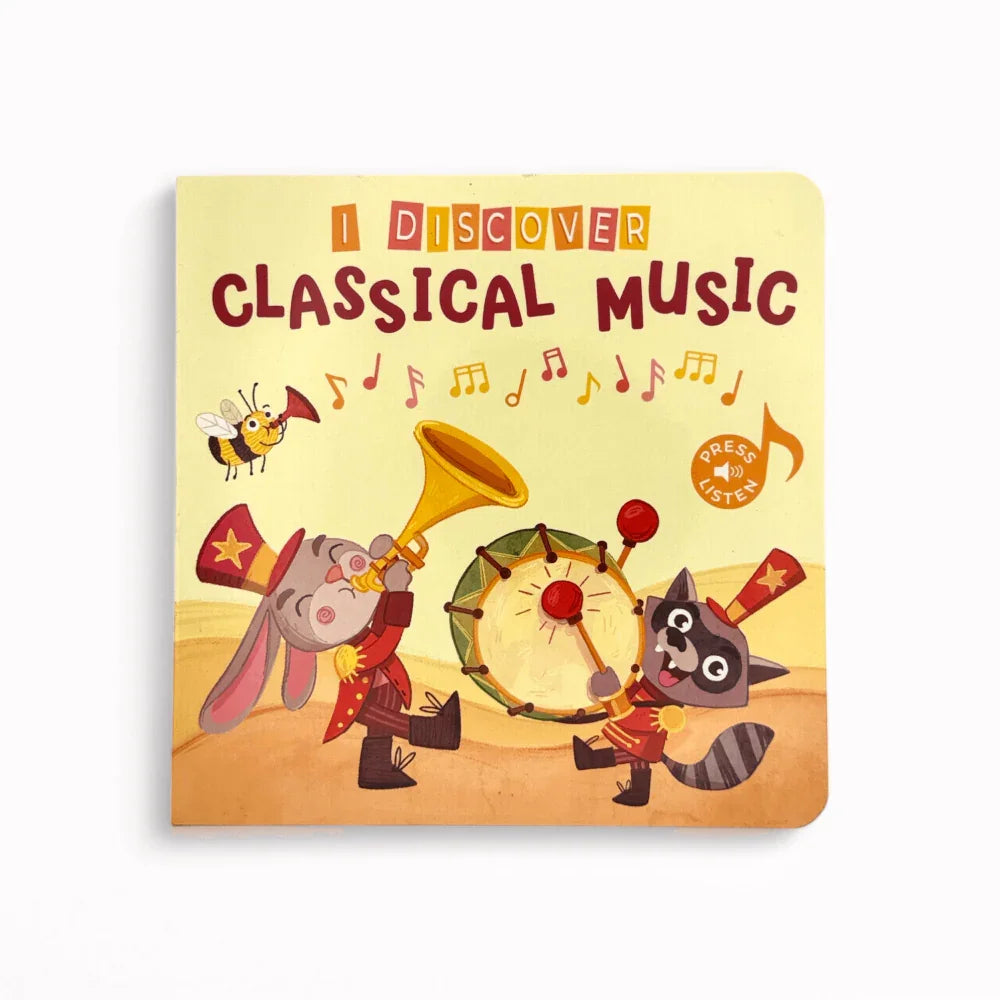
💡 Try a calming piece like “Spring” from Vivaldi (from our I Discover Classical Music book) to keep things gentle and engaging.

Tummy time tip
Don’t worry if your baby only tolerates tummy time for a minute or two at first. Small sessions throughout the day still count.
🎶 Using Music Books During Playtime
Why music and movement matter
Babies and toddlers learn through movement and repetition. Music naturally encourages both. Interactive books can help toddlers:
- Practice fine motor skills
- Learn cause and effect
- Build coordination
- Develop rhythm awareness
- Stay engaged independently for short periods
How to use a music book during playtime:
- Let your child press the buttons themselves to activate songs—this builds fine motor coordination and cause-and-effect learning.
- Turn on a song and turn your living room into a mini dance party!
- Use scarves, soft instruments, or clapping games to add variety and sensory play.
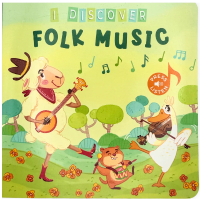
💡 Songs with a strong beat, like “Oh! Susanna” from our folk music sound book are perfect for movement and rhythm-based games.=
🌙 Using Music Books as Part of a Bedtime Routine
Why bedtime routines matter
Predictable bedtime routines help young children feel safe and secure. Over time, consistent routines also help signal to the brain that it’s time to wind down. Music can become a helpful transition between active play and sleep.
How to include a music book in your bedtime routine:
Keep things calm and simple:
- Dim the lights
- Choose a slow, soothing song and play it softly while your child winds down.
- Read the book together slowly, focusing on one or two pages.
- Cuddle together and use the music as a gentle background while dimming the lights.
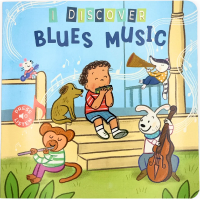
💡 “Goodnight Irene” or Chopin’s “Nocturne” from our Blues and Classical collections are ideal for this moment.
One thing parents often appreciate about our books is that the sound clips are intentionally short (about 10–15 seconds). They hold attention without turning bedtime into a full concert.
Finding the Right Music Books for Babies and Toddlers
At Pirouette Kids, we design interactive music books for babies and toddlers featuring real music instead of nursery rhyme sound effects.
Each book includes:
- Easy-to-press sound buttons
- Short music clips designed for little attention spans
- Durable board pages
- Animal illustrations
- Music from classical, folk, blues, and world traditions
They’re designed for children from birth through age 4 and work beautifully for tummy time, playtime, quiet time, and bedtime routines.
👉 Explore our collection of music books for babies and toddlers